Insurance built for insulation contractors and spray foam installers.
Spray foam liability, general liability, contractor pollution liability, workers' comp, tools & equipment, and surety bonds — purpose-built for the insulation trade. A-rated carriers. 15-minute quotes.
900+
Insulation contractors covered — spray foam, blown-in, batt, and weatherization
NPN #8608479
Licensed all 50 states
- Licensed in all 50 states
- Founded 2005 — 20+ years
- Insulation-knowledgeable agents
- 15-minute quote turnaround
- 2-hour claims response
- A.M. Best A+ carrier partners
Coverage built specifically for insulation contractors.
Standard contractor policies have broad pollution exclusions — and in spray foam, that exclusion hits your biggest real-world exposure. We build programs designed for how insulation work actually runs.
Not sure what you need? Get a coverage review →
The coverage gaps that cost insulation contractors the most.
Most agents hand an insulation contractor a generic GL policy and call it done. Then a spray foam off-gassing complaint hits and the pollution exclusion kicks in. We underwrite the parts of your operation everyone else leaves out.
Run by people who know contracting
Contractors Choice Agency was founded in 2005 by Josh Cotner, who came from the trades. We know what happens when a spray foam chemical exposure claim hits the GL pollution exclusion — and we build programs that cover it.
Spray Foam Specialists
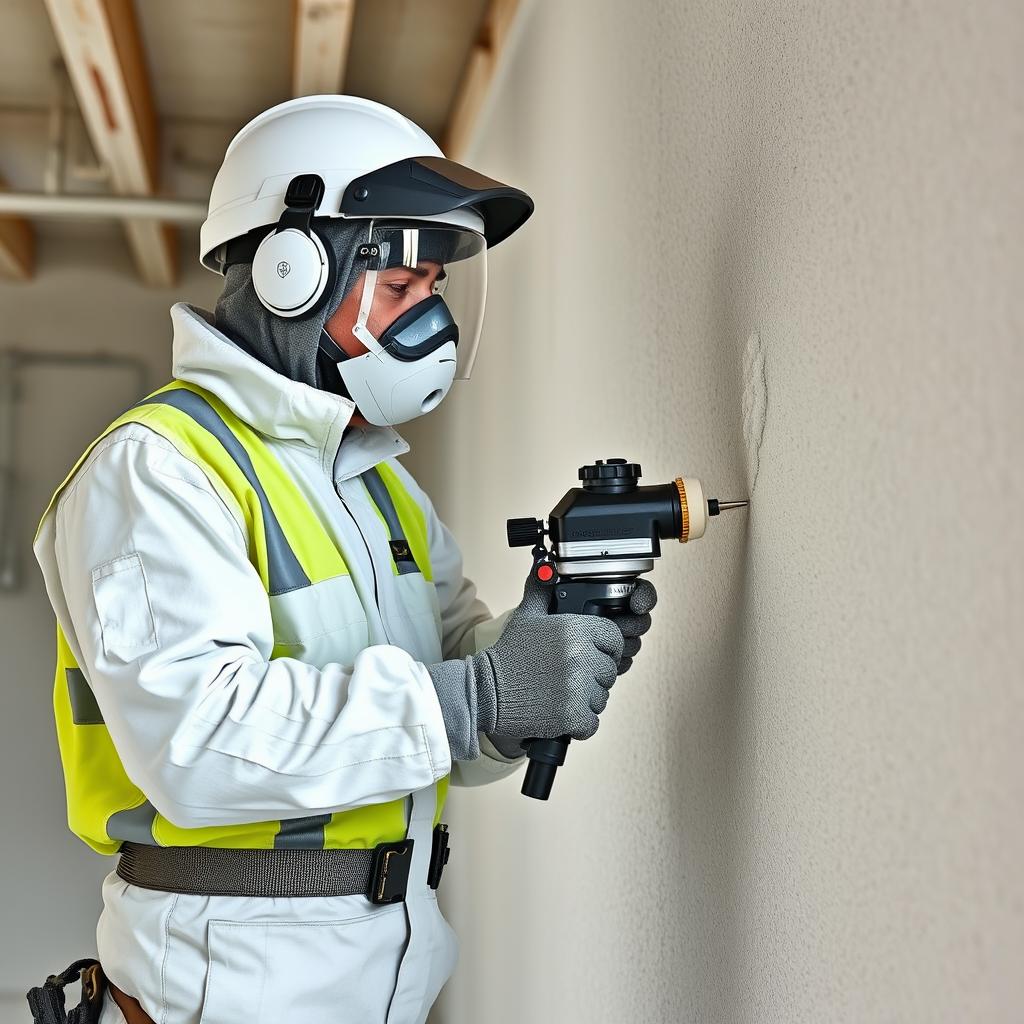
We understand spray polyurethane foam liability — off-gassing, adhesion failures, and chemical exposure claims that standard GL policies often exclude.
Right Class Codes
Insulation WC requires the right class codes for blown-in, batt, and spray foam work. Wrong codes create audit problems and coverage gaps.
Pollution Liability Gap-Filling
Spray foam chemicals and off-gassing can trigger the pollution exclusion in standard GL. Our CPL coverage fills that gap.
Equipment Protection
Spray rigs, proportioners, hose systems, and blowing machines represent major investment. We cover them properly with the right T&E and inland marine.
Licensed in All 50 States
Whether you're operating in one state or expanding nationally, we can place your insulation contractor program across state lines.
20+ Years Contractor Focus
Contractors Choice Agency has served specialty contractors since 2005. We know what insulation contractors need — and what they don't.
From quote request to bound policy in about a day.
No two-week back-and-forth. A real conversation, real markets, and a program that covers spray foam, blown-in, and weatherization — built around how your insulation business actually runs.
Quick Intake Call
A 15-minute call to understand your insulation services, states, payroll, and equipment. No forms to fill out first.
Specialist Market Access
We access admitted and E&S markets that specifically write insulation contractors and spray foam installers.
Coverage Recommendation
We present your options — GL, spray foam liability, CPL, WC, tools & equipment — with clear explanations of what each covers.
Bound and Ready
We bind your coverage, issue certificates of insurance, and stay available as your insulation business grows.
Or call 844-967-5247 — usually answered live.
Insulation contractor coverage. All 50 states.
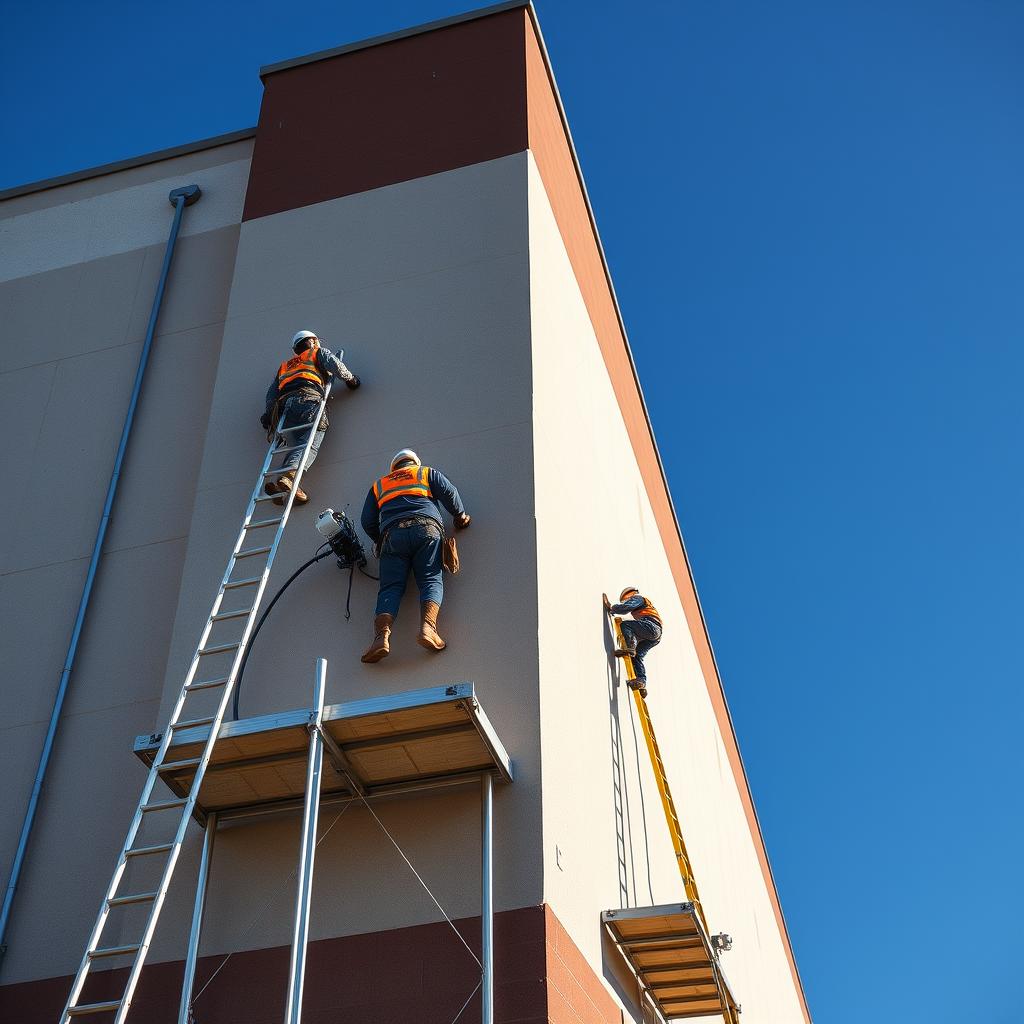
From Texas and Florida to the Midwest and West Coast, Contractors Choice Agency writes insulation contractor insurance in every state where spray foam and insulation businesses operate.
- Texas & the South — Houston, Dallas, San Antonio, statewide TX and surrounding southern states
- Florida & the Southeast — Miami, Orlando, Jacksonville, GA, NC, SC, and the broader southeast
- California & the West — Los Angeles, Bay Area, San Diego, Pacific Northwest, Rocky Mountain states
- Midwest & Great Plains — Ohio, Indiana, Illinois, Michigan, and the broader midwest
- Northeast & Mid-Atlantic — New York, New Jersey, Pennsylvania, New England, Maryland, Virginia
- Mountain & Southwest — Arizona, Colorado, Nevada, New Mexico, and the broader mountain west
- Tennessee & Kentucky — Nashville, Memphis, Knoxville, Louisville, Lexington, and surrounding areas
- Nationwide Programs — Multi-state operations with consistent coverage across all states you serve
National coverage for insulation contractors.
Writing insulation programs in all 50 states since 2005.
0+
Insulation contractors covered nationwide
0+
Years placing contractor insurance
0 min
Average quote turnaround
0
States licensed & writing
Insulation contractor insurance, in plain English.
At minimum: general liability (GL), workers' compensation (if you have employees), and commercial auto. If you do spray foam work, you also need spray foam liability or contractor pollution liability to cover chemical exposure claims that standard GL excludes. Tools and equipment coverage protects your spray rigs and blowing machines.
Often not fully. Standard GL has a pollution exclusion, and spray polyurethane foam chemicals — including isocyanates and polyols — can be classified as pollutants. Off-gassing claims, chemical exposure claims, and adhesion failure claims may trigger the exclusion. Spray foam-specific liability coverage or contractor pollution liability fills this gap.
Spray foam liability insurance is coverage specifically designed for spray polyurethane foam (SPF) installers. It covers claims arising from foam off-gassing, chemical exposure, adhesion failures, and property damage from SPF application — claims that standard GL often excludes under the pollution exclusion.
If you use spray foam, aerosol-based insulation, or apply chemical coatings, CPL is worth considering. CPL covers third-party bodily injury and property damage from pollutants released during your work — including foam chemicals, isocyanates, and vapors. It fills the pollution exclusion gap in standard GL.
WC class codes for insulation work vary by state and carrier. The right code depends on your state and work type — blown-in, batt, or spray foam. Wrong codes create audit surprises. We help you get the right classification from the start.
Cost depends on revenue, payroll, states, work type, and loss history. A solo insulation contractor might pay $1,500–$4,000 per year for GL. Spray foam operations typically pay more due to the specialized risk. WC costs vary by state and payroll. We quote the full program so you know the total cost.
Standard GL likely won't — the pollution exclusion typically applies to off-gassing claims. Spray foam liability or CPL coverage is designed to handle these exposures. When properly structured, your program should include coverage for third-party bodily injury and property damage from foam off-gassing.
Improper SPF application can cause adhesion failures, moisture problems, or chemical exposure — leading to costly remediation claims. GL covers property damage claims from faulty workmanship in some circumstances, but adhesion and chemical exposure claims may require spray foam-specific coverage.
Yes. Many insulation contractors work on commercial buildings, warehouses, and industrial facilities. Commercial GL limits typically need to be higher for commercial projects — $2M per occurrence / $4M aggregate or higher. Umbrella/excess coverage provides additional limits for large commercial contracts.
No. GL covers bodily injury and property damage to third parties — not your own equipment. Spray rigs, proportioners, hose systems, and blowing machines need separate tools and equipment coverage or inland marine insurance.
Tools and equipment (T&E) covers your insulation equipment at the job site and in storage. Inland marine covers equipment while it's being transported between jobs. A complete program typically includes both so there's no coverage gap when your spray rig is on the road.
Yes, if you use a truck, van, or trailer for work. Personal auto policies exclude commercial use. Commercial auto covers your vehicle, the equipment in it, and liability if your vehicle is involved in an accident while going to or from a job.
Yes. General contractors and property owners typically require insulation subcontractors to name them as additional insureds. Most GL policies allow additional insureds via endorsement. We structure your program so certificates and additional insured endorsements are available quickly.
Mold claims arising from insulation failures are complex. Some GL policies exclude mold; others cover it as property damage. Spray foam liability policies may cover mold damage resulting from improper SPF installation. We review your specific policy language to make sure you understand what's covered.
We place insulation contractor insurance in all 50 states. We have specialist markets for high-volume insulation states including Texas, Florida, California, Georgia, Ohio, and North Carolina.
It depends on your state and the type of work you're bidding. Many states require contractor license bonds for insulation contractors. Government and commercial projects may require performance bonds and payment bonds. We place both.
Completed operations coverage (part of standard GL) covers claims that arise after you've finished a job — for example, if insulation you installed is later found to have caused property damage or if a spray foam adhesion failure causes problems months after installation.
Yes, though the market narrows with adverse loss history. We access E&S (excess and surplus lines) markets that write insulation contractors with prior claims. The key factors are claim frequency, severity, and what controls you've put in place to prevent recurrence.
Umbrella (or excess liability) sits above your GL and commercial auto, providing additional coverage limits. If a major claim exhausts your GL limits, the umbrella responds. For commercial insulation projects with high contract values, umbrella coverage is often a contract requirement.
Once your policy is bound, certificates of insurance are typically available same-day or next business day. If you need a COI for a specific job, contact us and we'll prioritize getting it issued.
Protect Your Insulation Business with coverage built for the trade.
Whether you need spray foam liability today or a full program — GL, CPL, workers' comp, tools & equipment, and auto — one call gets you real quotes from specialist insulation markets. Not a voicemail and a two-week wait.
No obligation. No spam. Licensed all 50 states.