Commercial Auto Insurance for insulation contractors
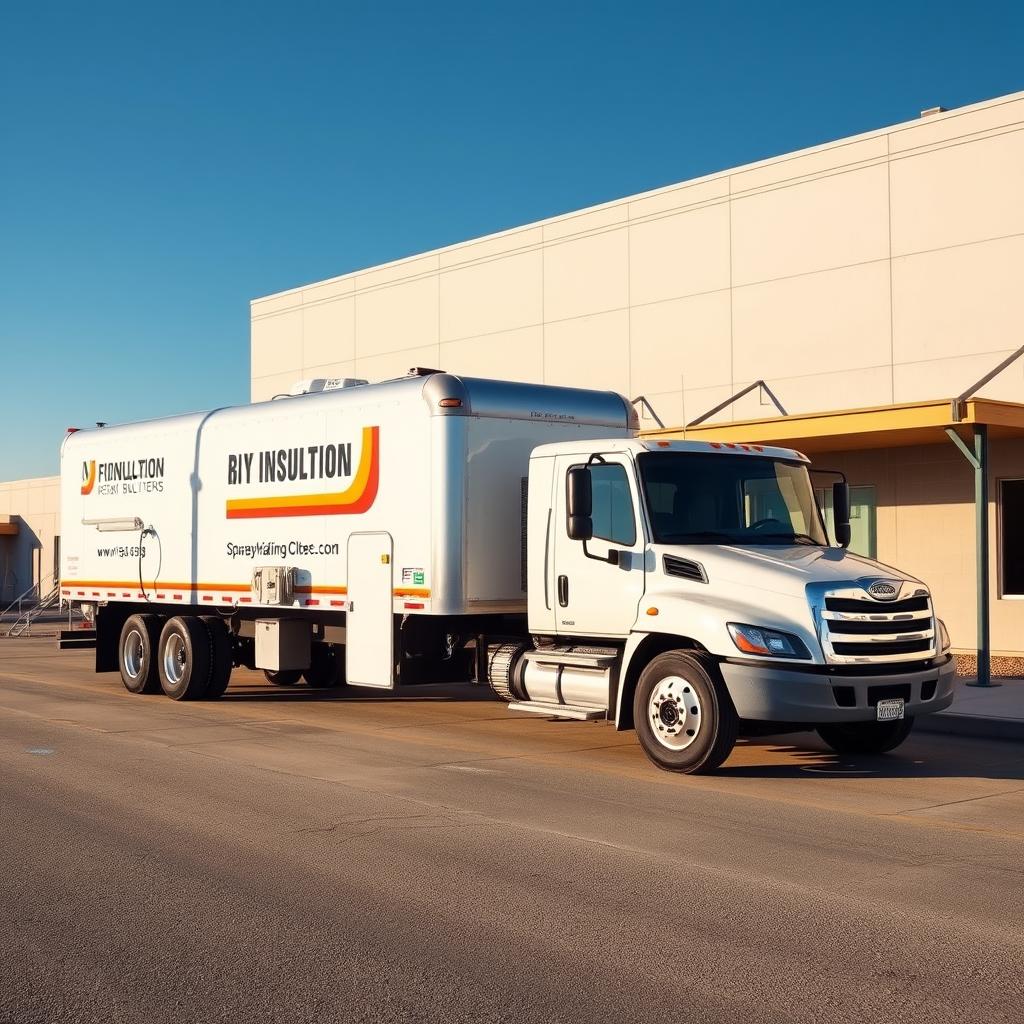
Your spray rig trailer, box trucks, and service vans are commercial vehicles — not personal vehicles. Personal auto policies exclude commercial use, which means any accident in a work vehicle is potentially uninsured if you're relying on personal auto. Commercial auto provides liability, physical damage, and uninsured motorist coverage for your insulation operation's vehicles.
- Bodily injury and property damage liability
- Physical damage coverage for trucks and vans
- Coverage for spray rig trailers
- Hired and non-owned auto (for employee-owned vehicles used for work)
- Uninsured and underinsured motorist coverage
- Medical payments coverage
Common questions about commercial auto insurance
Commercial auto covers the trailer for liability when it's attached to a covered vehicle. Physical damage to the trailer and equipment on it typically requires separate coverage — either as part of commercial auto or under tools and equipment/inland marine.
Hired auto covers vehicles you rent for business use. Non-owned auto covers employee-owned vehicles used for work — for example, if a worker drives their personal truck to pick up supplies. Both are important for insulation contractors who may use rented vehicles or have employees using personal vehicles for work tasks.
Yes. Commercial auto is typically a separate policy but can be written with the same carrier as GL or a different carrier. We'll structure the program to avoid coverage gaps between your auto and GL.
Contractors Choice Agency (NPN 8608479) is a specialty insurance agency licensed in all 50 states, founded in 2005 and based in Chandler, Arizona. We focus exclusively on contractors — with particular depth in specialty trades like insulation, spray foam, and other specialty contractor niches.
We use a mix of admitted carriers (licensed and rate-regulated in the state) and E&S (excess and surplus lines) carriers for insulation contractors. Spray foam and CPL coverage typically requires E&S markets. GL and WC for standard insulation work may be available with admitted carriers.
Call 844-967-5247 or use our online quote form. We'll need to know your business type (residential, commercial, or both), services offered (blown-in, batt, spray foam, etc.), states you operate in, annual revenue or payroll, employee count, and loss history.
Yes. Once your policy is bound, we issue certificates of insurance typically within the same business day. If a specific additional insured or job-specific certificate is needed, provide the details and we'll issue it promptly.
Claims are filed directly with your carrier. We assist with the claims reporting process and can help you communicate with the carrier if you have questions. Contact us at josh@contractorschoiceagency.com or 844-967-5247 when a claim arises.
Yes. Most of our carrier partners offer premium financing and monthly payment options. Ask about payment plans when we provide your quote.
There's no minimum, though smaller operations may have fewer carrier options. We work with startups, solo operators, and established insulation businesses. Tell us your situation and we'll find what's available.
Yes. Many insulation contractors work as subcontractors to GCs. We structure your program to meet standard GC insurance requirements — including waiver of subrogation endorsements, additional insured status for GCs, and adequate limits.
Yes. Most commercial GL policies cover both residential and commercial work operations. If the mix shifts significantly toward commercial, your limits and pricing may change at renewal. We'll structure the policy to reflect your actual work mix.
Not typically in the GL policy structure, but underwriters are aware of the different risk profiles. Closed-cell foam is denser and requires more chemical per square foot; open-cell is softer and more vapor-permeable. Some CPL underwriters ask specifically which SPF types you install.
Yes. Weatherization work — air sealing, vapor barriers, insulation upgrades — is typically covered under insulation contractor GL policies. If weatherization includes HVAC or mechanical work, that should be disclosed to the underwriter.
Most commercial GL policies can be endorsed to add new states as you expand. WC requires separate policies in most states, so adding a state for WC means a new policy in that state. Contact us when you're expanding to a new state and we'll get the endorsements in place.
We review your program 60–90 days before renewal. If your operations have changed — new services, new states, more employees — update us so we can re-market if needed. We proactively shop your renewal to make sure you're still in the right market at the right price.
E&O (also called professional liability) covers claims arising from professional advice or design errors — for example, if you specified an SPF product for a particular R-value and the recommendation was wrong, leading to energy performance failures. Not all insulation contractors need E&O, but those who provide energy audit advice or system design should consider it.
Pair it with related coverage
Ready to protect your insulation business?
Get a 15-minute quote from specialists who understand insulation contracting — spray foam liability, pollution coverage, and equipment protection.